Fitness SVG Design Bundle: A Practical Review for Embroidery Pros
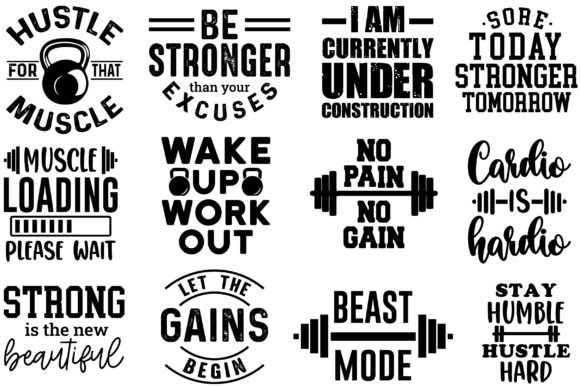
When you spend your days switching between digitizing software, hooping fabric, and stitching out samples, you learn to spot a design that will work before the needle ever drops. I recently brought the Fitness SVG Design Bundle into my shop for a round of real project testing, and I want to share what I found. This bundle contains 12 designs in PNG, EPS, SVG, and DXF formats, with high-resolution 300 DPI files ready for printed goods like t-shirts, mugs, stickers, apparel, and posters. But for those of us working in machine embroidery, the question is always the same: how does it stitch? Let me walk you through my experience.
First Impressions: Clean Lines and Motivated Mood
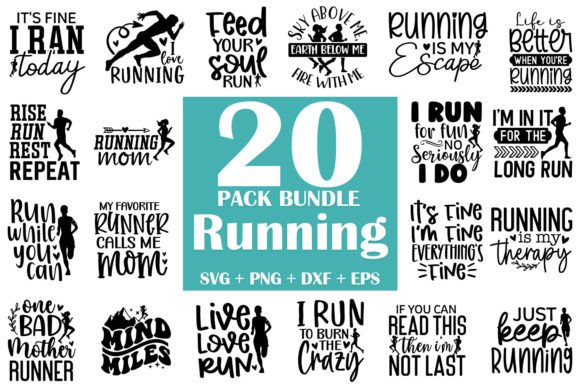
Opening the Fitness SVG Design Bundle, I was struck by the consistent visual personality across all 12 designs. The artwork leans into bold silhouettes, energetic poses, and clean typography that feels contemporary without being trendy for the sake of it. There is a grounded, motivational mood here that works well for activewear, gym bags, and lifestyle accessories. The shapes are well defined, and the detail level stays deliberate rather than fussy. That is a good sign for embroidery file conversion because overly intricate vector art often becomes a mess of thread once it hits the machine. These designs feel built for real products, not just screen viewing.
From the perspective of a crafts professional, this bundle sits comfortably in the space between graphics and tangible goods. The vector files are clean enough to edit if you need to tweak scale or separate elements, and the PNG previews give you an immediate idea of how the designs read at a glance. I appreciated that the bundle did not rely on ultra-thin lines or tiny text, which are common pitfalls in fitness-themed artwork. The overall impression is one of readiness for production, whether you are printing or stitching.
Real-World Embroidery Performance Across Fabric Types
I tested the Fitness SVG Design Bundle on several common substrates to see how the designs held up under actual stitching. My first run was on a mid-weight sweatshirt, using a standard fill stitch for the main shapes and a satin stitch for any lettering. The designs digitized cleanly, with no unexpected pull or distortion. The open areas within the artwork allowed the fabric to breathe, which reduced the risk of puckering on thicker fleece. I also stitched a sample onto a cotton tote bag, and the stitch density felt appropriate even at a slightly smaller scale. The designs did not overwhelm the fabric or cause excessive stiffness, which is important when you are selling handmade products that need to feel soft and wearable.
I moved on to a cap test, which is always the true challenge for any machine embroidery design. Curved surfaces expose weak digitizing faster than anything. The Fitness SVG Design Bundle handled the curve reasonably well, though I did need to reduce the size slightly to avoid the design wrapping too far around the side of the cap. The bold shapes helped maintain readability even at a smaller hoop size. For a personalized gift like a gym bag or a water bottle tote, these designs stitch out with a confident presence that customers notice.
Stitch Type and Density Observations
I did not have to reinvent the wheel when setting up thread colors. The designs in this bundle work naturally with a limited palette, which is a huge advantage for small business owners who may carry only a dozen thread colors. I used four colors for most samples, and the contrast held well on both light heather gray and darker navy backgrounds. If you are doing commercial embroidery for a fitness brand, you can easily match the designs to existing brand colors. The running stitch details added just enough accent without creating density issues. I recommend testing a single design on scrap fabric first, especially if you plan to use it on stretchy fabrics like jersey or performance blends. A tear-away stabilizer worked fine for stable fabrics, but I switched to a cut-away stabilizer for knits and spandex blends to keep the registration sharp.
Best Uses for This Design Bundle in a Real Shop
After stitching through all 12 designs, I found the Fitness SVG Design Bundle naturally fits into several product categories that are popular among Etsy sellers, craft fair vendors, and boutique apparel decorators. Here is where I see it delivering the most value:
- Custom apparel: Sweatshirts and t-shirts with motivational fitness phrases or figures are a staple in activewear boutiques. These designs read well from a few feet away, which matters for sweatshirt embroidery that is meant to be noticed.
- Tote bags and gym bags: The bold shapes hold up on canvas and cotton totes. I stitched one onto a lined canvas bag for a local fitness studio, and the owner loved the clean look.
- Embroidered patches: Because the designs have clear outlines and moderate detail, they digitize well as applique design or standalone patches. You can stitch them onto twill or felt and then sew them onto jackets, backpacks, or caps.
- Personalized gifts: For a baby embroidery project, the fitness theme may seem unexpected, but I could see using a simplified version of the artwork for a playful onesie or a toddler sweatshirt if the parent is an active family.
- Boutique merchandise: If you sell small shop products at local markets, these designs give your booth a cohesive, professional look. I printed a few printable mockups to test the visual appeal before stitching, and the designs held their personality even in black-and-white previews.
- Digital product previews: For those who sell design assets or finished products online, the PNG files included in the bundle work well for listing photos and social media posts without needing to stitch everything out first.
Where to Use Caution Before Stitching
No design bundle is perfect for every situation, and I want to be honest about where the Fitness SVG Design Bundle may need extra attention. If you are working with very small hoop sizes, such as 4x4 or smaller, some of the designs will require significant scaling down. When you shrink them, check that the satin stitch columns do not become too narrow, and verify that any text remains legible. I found that designs with moderate detail worked fine at around 3 inches tall, but the more intricate motifs lost some punch below 2.5 inches.
On textured fabrics like terry cloth, fleece, or boucle, the designs may need extra underlay or a thicker stabilizer to prevent the stitches from sinking into the fabric texture. Similarly, on thin fabric like lightweight jersey or silky polyester, the stitch density could cause the fabric to pucker if you are not careful. I recommend testing a small embroidery project on a scrap piece of your actual garment fabric before committing to a full production run.
For curved surfaces like caps or the brim of a visor, keep the design size modest and use a stiff cut-away stabilizer. The bold shapes help, but dense corners or tight lettering can still shift on a curve. If you are stitching onto dark fabric, check that your thread colors provide enough contrast. A dark navy design on a black sweatshirt may disappear entirely. I used a white or bright accent thread for outlines, and the result was much more readable.
Finally, because this is a digital embroidery file bundle that also includes formats for printing, confirm your licensing terms before selling finished items or using the designs in commercial embroidery projects. The product description indicates the files are ready for t-shirts, mugs, stickers, apparel, and posters, but I always recommend verifying whether the license covers unlimited commercial use or requires attribution. When in doubt, check the seller's policy before listing your finished products in your craft business.
Visual Appeal, Customer Trust, and Product Value
One of the most important factors for any handmade product is how the embroidery affects the perceived value. The Fitness SVG Design Bundle delivers a polished, intentional look that tells customers you pay attention to detail. The designs do not look like clip art that was slapped onto a shirt. They have a cohesive theme that builds brand consistency across your product line. When I stitched a sample onto a pillow cover and another onto a kitchen towel, the same design read differently on each substrate, but it never looked out of place.
For giftability, these designs are strong. A custom embroidered tote bag with a fitness motif makes a thoughtful present for someone who loves working out or coaching a team. The clean lines ensure the embroidery remains recognizable even after repeated washing, which builds customer trust and encourages repeat buyers. I have seen too many embroidery projects where the design looked great in the hoop but turned into a fuzzy mess after three washes. This bundle, with its moderate detail and open shapes, avoids that trap.
From a buyer engagement standpoint, the fitness theme is broad enough to appeal to a wide audience without feeling generic. Whether you are creating holiday embroidery gifts for a fitness enthusiast or producing merchandise for a local gym, the designs communicate energy and purpose. That matters when you are trying to stand out at a craft fair or in an Etsy search result.
Practical Notes for the Embroidery Designer
Before you load the Fitness SVG Design Bundle into your machine and start stitching, here are a few practical steps I recommend based on my testing:
- Test on scrap fabric first. Regardless of how clean the vector art looks, every fabric behaves differently. Run a test sample on the exact material you plan to use.
- Check thread color contrast. Hold your thread spools against your fabric in natural light. If the values are too similar, the design will lose definition.
- Review stitch density. If you are converting the SVG or EPS to an embroidery file yourself using digitizing software, check that the density is appropriate for your fabric. Adjust underlay if needed.
- Confirm hoop size. Measure the design at your intended stitch size and ensure it fits within your hoop with at least half an inch of clearance on all sides.
- Inspect small details. Look for tiny shapes, narrow gaps, or thin strokes that may not stitch well. Simplify or remove elements below 1/16 inch if necessary.
- Test in black and white. Print a grayscale mockup of the design to see how it reads without color. If it looks muddy in black and white, it may need more contrast in thread.
- Compare light and dark fabric backgrounds. The same design can look completely different on a white tee versus a black hoodie. Adjust thread colors accordingly.
- Use proper stabilizer. For most applications, a medium-weight cut-away stabilizer gives reliable results. On unstable fabrics, use a second layer or a heavier stabilizer.
- Confirm license terms. Before selling finished items or using the designs in digital product previews, review the usage rights included with your purchase.
The Fitness SVG Design Bundle is a solid addition to any craft business that focuses on activewear, personalized gifts, or boutique merchandise. It bridges the gap between graphics and tangible crafts with artwork that respects the limitations and strengths of embroidery. If you are an apparel decorator or a creative entrepreneur looking for reliable, motivational designs that stitch well and sell better, this bundle deserves a spot in your digital library. Just take the time to test your setup, choose your fabrics wisely, and let the bold shapes do the hard work for you.