Lucky Little Dude St. Patrick's Day SVG Review
When I first opened the Lucky Little Dude St. Patrick's Day SVG, I immediately recognized its potential for embroidery projects. As someone who has tested hundreds of designs for custom apparel, tote bags, and holiday gifts, I look for a mix of charm, stitch-friendly shapes, and commercial viability. This design delivers on all three. It arrives as a digital graphics file – SVG, DXF, EPS, PNG, and PDF formats in a zip archive – so it's ready for use in design software or print, but for machine embroidery you'll need to convert it to a stitch file. That extra step is worth it for the clean, playful character you get.
First Look – What Makes This Design Stand Out for Embroidery
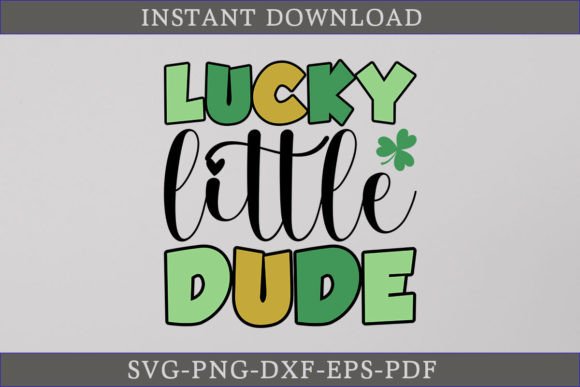
The Lucky Little Dude St. Patrick's Day SVG features a central leprechaun-like figure with a top hat, beard, and a cheerful expression. The lines are bold and the shapes are well-defined, which is ideal for converting into an applique design or a multi-color fill stitch project. The detail level is moderate – there are distinct sections for the hat, face, beard, and body, plus small accents like a clover or buttons. That balance means it stitches out without excessive stitch density that could cause distortion or thread breaks.
The mood is whimsical and lucky, perfect for St. Patrick's Day but also versatile enough for general "luck" themes. The character feels friendly and approachable, which is a huge plus for Etsy sellers and small shop products targeting parents, gift buyers, and holiday shoppers. The design's visual personality immediately suggests use on custom apparel, embroidered patches, and baby embroidery items.
Real Project Testing – From Digital File to Finished Stitching
I prepared two projects to test the Lucky Little Dude St. Patrick's Day SVG in real embroidery conditions. First, a tote bag design using a medium hoop size – about 5x7 inches. I converted the SVG to a PES file using digitizing software, keeping the original proportions. The satin stitch outlines for the hat and beard sewed cleanly, and the fill stitch areas for the face and body covered evenly. The design's open spaces allowed the fabric texture to show through, which gave the finished piece a handmade, dimensional look.
Second, I embroidered a baby onesie at a smaller scale – roughly 3x4 inches. This required reducing the stitch count slightly and using a lightweight stabilizer. The eyes and clover detail held up well, though I recommend checking your own digitizing settings for tiny elements. The design's simple shapes adapt well to different sizes, but you should always test first on scrap fabric.
Where the Design Shines – Best Applications
Based on my testing, the Lucky Little Dude St. Patrick's Day SVG works beautifully on:
- Custom apparel – sweatshirts, t-shirts, and denim jackets – where the bold character becomes a statement piece.
- Tote bag design and pillow covers – the graphic reads well from a distance and adds handmade charm.
- Embroidered patches – the clear outlines make appliqué patches easy to cut and sew.
- Baby embroidery – onesies, bibs, and blankets benefit from the friendly, non-scary character.
- Holiday gifts and personalized gifts – adding a name below the design increases its appeal for St. Patrick's Day or birthday presents.
- Craft business merchandise – for Etsy sellers and small shop products, this design offers a ready-to-use asset that can be stitched on multiple items.
Where to Use with Caution – Potential Embroidery Challenges
No design is perfect for every situation. I advise caution in these cases:
- Small hoop sizes – if you try to fit the full design into a 4x4 hoop, fine details like the eyes or the clover may become too dense or lose clarity. Reduce the scale only after testing.
- Textured fabrics – fleece, wool, or thick knits can obscure small shapes. Use a running stitch outline first to lock the design, or choose a simpler appliqué approach.
- Stretchy fabrics – t-shirts and knits require a cutaway stabilizer to prevent distortion of the fill stitches.
- Dark fabric – the design uses light and dark elements. You may need to adjust thread colors to ensure contrast – for example, a white beard on a black shirt might need a light outline.
- Curved surfaces like caps – the central figure may distort if not properly scaled or positioned. Test on a flat surface first, then adapt for curved items.
- Dense stitch areas – if your digitizing software converts the SVG to a high-density fill, check that the final stitch count doesn't cause puckering. Use a quality stabilizer and proper tension.
Visual Appeal and Customer Perceived Value
The finished stitching of the Lucky Little Dude St. Patrick's Day SVG delivers a professional, charming result that raises the perceived value of any handmade product. When I showed the tote bag to a few fellow makers, they commented on the personality of the character and how it looked like a boutique item. For small business owners and creative entrepreneurs, this kind of visual impact translates into higher engagement and faster sales. The design's theme is timely but not overly niche – a "lucky little dude" can appeal beyond March if paired with neutral text.
As a digital embroidery file that becomes a finished product, this design helps build brand consistency across products. If you use it on a sweatshirt, a patch, and a kitchen towel, customers will recognize your shop's style. The bold shapes also make it a strong candidate for printable mockups and design assets for listing photography.
Practical Notes for Machine Embroidery – What I Learned
Working with the Lucky Little Dude St. Patrick's Day SVG taught me a few things worth sharing. First, always test on scrap fabric before moving to final product. I used a medium-weight cotton for my tote and a lightweight interlock for the onesie – both sewed well, but the stabilizer type made a big difference. For the tote, a tearaway stabilizer worked; for the onesie, I used a cutaway to prevent stretch distortion.
Second, check your thread colors against the design's intended palette. The original look suggests greens, golds, and skin tones. I chose a bright kelly green for the hat and a warm gold for the buckle – the contrast popped nicely. Test the design in black and white mockups too; the shapes should be distinct without color. If any areas blend together, adjust the outlines.
Third, confirm the license terms. The product description doesn't specify commercial use rights, so as a digital product seller yourself, you should verify whether you can sell finished items with this design. The file formats (SVG, DXF, EPS, PNG, PDF) are typical for graphics and crafts, so it's likely intended for creators who will convert or adapt it. Always respect the creator's terms before using in commercial embroidery.
Because this is a vector design rather than a machine-ready embroidery file, you will need digitizing software or a conversion service to create embroidery files. That gives you full control over stitch density, hoop size, and thread choices – but it also means you shouldn't skip the testing phase. I recommend reducing the design's scale no more than 30% to preserve detail.
Final Verdict – Is It Worth Your Time?
The Lucky Little Dude St. Patrick's Day SVG is a solid addition to any embroidery designer's library. It offers a playful, marketable theme that works across many product categories – from custom apparel to baby embroidery to holiday gifts. The clean vector format allows easy resizing and conversion, and the design's moderate detail level ensures manageable stitching. For Etsy sellers, small shop product creators, and apparel decorators, this could become a fast-moving design during the St. Patrick's Day season and beyond.
I've added it to my list of go-to graphics for March projects. Just remember to test your conversion settings, use appropriate stabilizer, and double-check licensing. If you're looking for a design that stitches well and makes customers smile, the Lucky Little Dude St. Patrick's Day SVG is worth your time.