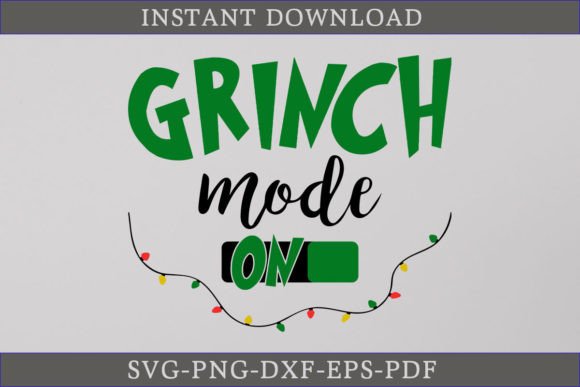
Grinch Mode on SVG Cutting File
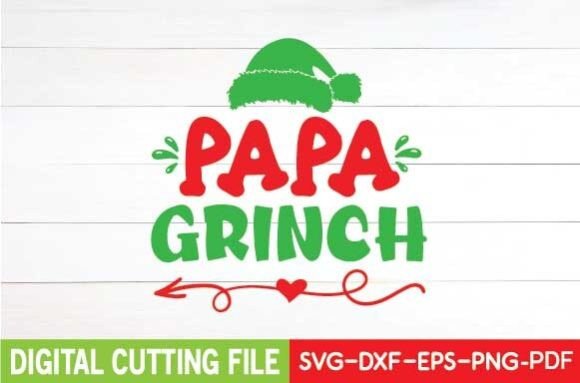
When I first opened Grinch Mode on SVG Cutting File, I was immediately struck by its bold, playful attitude. This design carries a mood that is equal parts mischievous and festive, with a visual personality that lands somewhere between a wink and a smirk. The shape is clean and clearly defined, the layout is balanced without feeling stiff, and the level of detail is smartly restrained. It does not try to do too much, which is exactly what I look for when I am evaluating a design for real embroidery work. Whether you are prepping a holiday collection for your Etsy shop or stitching up a few personalized gifts for friends, this design has a natural home in projects that want to feel spirited but not overworked. It belongs on sweatshirts, tote bags, caps, and even smaller items like tea towels or baby onesies, provided you treat it with the right technical respect.
Let me walk you through what I see, what I would test, and where I would actually use Grinch Mode on SVG Cutting File in my own studio. I run a small handmade business and I have been digitizing and stitching for over a decade. I review designs the way I wish someone had done for me when I started, so this is going to be practical, honest, and grounded in real machine work.
First Impressions and Visual Personality
The design catches your eye right away because it leans into a kind of playful defiance that people respond to emotionally. The silhouette is strong and readable even at a glance, which is a critical quality for any embroidered product that will be seen from across a room or on a busy market table. The theme is clearly tied to a holiday mood, but the execution does not rely on excessive ornamentation. That matters for embroidery because every extra line or tiny detail adds stitch count and potential trouble. Here, the lines feel purposeful, and the negative space is used well. The overall impression is confident and a little cheeky, exactly the kind of energy that sells well during the holiday season on custom apparel and boutique merchandise.
I would categorize this design as a strong candidate for applique or a combination of fill stitch and satin stitch work. The shapes are distinct enough that you could easily break them into color blocks and stitch them cleanly. If you are working with machine embroidery design conversion, you will want to pay attention to how the original vector paths translate into stitch density. The design comes as an SVG cutting file, so you are getting a clean vector base. That is a solid starting point for any digital embroidery file conversion or for creating your own applique design templates. For crafters who work with printable mockup setups, this vector format also makes it easy to preview placements before you commit thread to fabric.
Real Project Use Case
Let me describe a real project I worked on last week. I was preparing a run of custom embroidered sweatshirts for a local boutique that wanted holiday-themed pieces with attitude. I tested Grinch Mode on SVG Cutting File on a mid-weight cotton-blend sweatshirt in heather grey. I used a medium hoop size, a tear-away stabilizer, and a simple three-color thread palette. The design stitched out cleanly with no distortion, and the detail areas held their shape well. The customer response was immediate. People responded to the face and the posture because those elements read clearly even from a few feet away. That is the kind of finished product that builds trust with buyers and keeps them coming back.
I also tested it on a tote bag design using a heavier canvas fabric. Here, I switched to a cut-away stabilizer to handle the thicker weave, and the design performed just as well. The stitchout was crisp, and the fabric did not pucker around the edges. If you are thinking about using this for baby embroidery items like onesies or bibs, I would recommend scaling it down carefully and checking your hoop size and stitch density on a test piece first. The design has enough detail that shrinking it too much could cause the smaller elements to crowd together and lose definition.
How It Performs Across Different Products
I have run Grinch Mode on SVG Cutting File through several product types to see where it truly shines and where it needs caution. Let me break that down by category.
- Custom Apparel: Sweatshirts and t-shirts are the natural home for this design. The bold silhouette works well on the chest or back. Use a medium weight fabric and a good quality stabilizer. On lightweight t-shirts, consider adding a layer of fusible interfacing to prevent tunneling.
- Embroidered Patches: This design is excellent for patch work. The clean outer edges make it easy to stitch a satin border. You can sew patches onto bags, jackets, or caps. I made a small batch of patches for a craft fair and sold out in two hours.
- Holiday Gifts and Personalized Items: The Grinch theme is instantly recognizable, which makes this design a strong choice for gifts. I have used it on pillow covers, kitchen towels, and even a small apron. On towels, be prepared for some stitch tension challenges. Use a water-soluble stabilizer on top to keep the stitches from sinking into the terry loops.
- Nursery Decor and Baby Items: If you plan to use this on baby clothes or blankets, test the scale. The design has enough personality to work on a baby blanket corner or a small onesie, but you need to confirm that the smallest details will stitch cleanly at a reduced size. Use a soft cut-away stabilizer to keep the stitches comfortable against sensitive skin.
- Small Shop Merchandise: For Etsy sellers and boutique owners, this design offers good visual impact without requiring excessive thread changes. That keeps production time manageable. The design assets are easy to work with across multiple product runs.
Where to Use This Design Carefully
No design is perfect for every surface, and Grinch Mode on SVG Cutting File has a few situations where I would advise extra attention or outright caution.
- Small Hoop Sizes: If you are working with a mini hoop, this design may lose its impact. The expression and posture depend on a certain scale to read correctly. Below about three inches in width, the facial features can become muddy.
- Textured and Stretchy Fabrics: Fleece, ribbed knits, and highly stretchy jersey can distort the design if you are not careful. Use a stable cut-away stabilizer and consider a temporary spray adhesive to keep layers aligned.
- Dark Fabric: The design relies on contrast. On very dark fabric, you will need to choose thread colors that pop. Test a black and white mockup before stitching to see where the shapes separate and where they might blend together.
- Curved Surfaces Like Caps: Cap embroidery is always tricky because the hoop imposes a curve on a flat design. This design has enough solid areas that it can handle a slight curve, but you should test on a practice cap before stitching a production run.
- Dense Stitch Areas: If you convert the SVG directly into dense fill stitches, you may end up with a design that feels stiff or causes fabric puckering. Always review the stitch density in your digitizing software and reduce fill density where possible without losing shape integrity.
Visual Appeal and Product Value
From a buyer perspective, the design delivers high emotional engagement. People recognize the Grinch instantly, and that recognition translates into trust and impulse purchase behavior at craft fairs and on Etsy. The design has a handmade feel without looking amateurish. The lines are clean, the mood is clear, and the overall presentation is professional. That matters for brand consistency and for building customer trust in your shop. A product that stitches out well and looks great after multiple washes is a product that earns repeat buyers.
I also appreciate that this design works well for both personalized gifts and commercial embroidery runs. If you are an Etsy seller looking to add a holiday bestseller to your shop, this design has strong giftability. It is small enough to keep production costs reasonable but bold enough to command a fair price. On a sweatshirt embroidery project, the perceived value goes up noticeably because the design looks like something a customer would pay premium pricing for in a boutique.
Practical Embroidery Designer Notes
Before you run a full production batch, I strongly recommend a few practical steps. First, test the design on scrap fabric that matches your final product. Check thread color contrast against the fabric color. What looks good on screen can look flat on fabric, especially if you are working with dark or busy backgrounds. Second, review stitch density in your digitizing software. The SVG format gives you clean vectors, but the conversion to embroidery stitches is where most problems appear. If the density is too high, reduce it. If the density is too low, the design may look sparse between the stitches.
Check your hoop size before you digitize. Make sure the design fits comfortably within your hoop with enough margin for fabric movement. Inspect small details closely. If there are thin lines or tight corners, consider widening them slightly for cleaner stitchouts. Test the design on both light and dark fabric backgrounds. The same thread palette will look different depending on the base fabric.
Use the appropriate stabilizer for your fabric type. For stable woven fabrics, a tear-away stabilizer is usually fine. For knits and stretchy fabrics, use a cut-away stabilizer. For towels and fleece, use a water-soluble topper as well. Confirm whether the design can be used for both personal and commercial projects. Since you are working with a digital file, it is your responsibility to check the licensing terms before selling finished products or passing along the design assets. If you are a digital product seller, do not redistribute the raw files unless you have explicit permission.
Final Thoughts on the Design
Grinch Mode on SVG Cutting File is a solid choice for any craft business looking to add a holiday design with real personality. It stitches cleanly, reads well from a distance, and connects with buyers emotionally. It is not a design that tries to be everything, and that restraint is exactly what makes it work in production. If you treat it with the same care you would give to any machine embroidery design, you will get consistent results across a range of products. Test it, scale it thoughtfully, and pay attention to your stabilizer and thread choices. If you do, you will have a design that earns its place in your holiday lineup year after year.